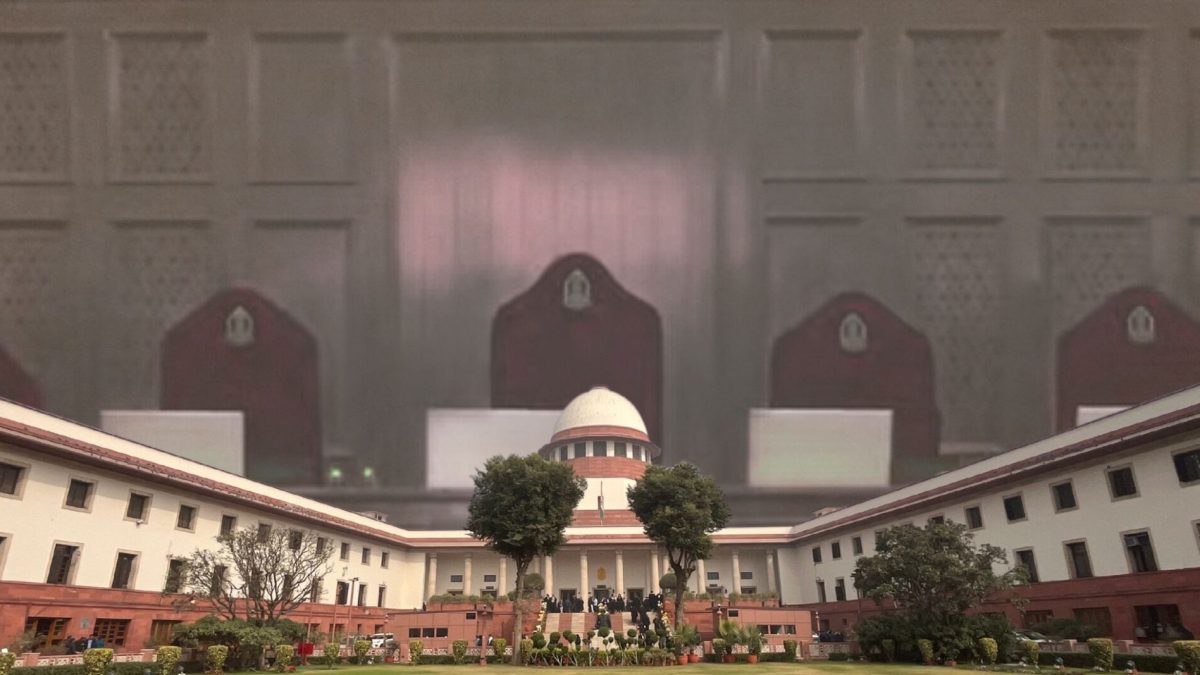
The Supreme Court Collegium system — which governs the appointment of judges to the Supreme Court and High Courts in India — continues to be a subject of public debate and judicial scrutiny. Following the landmark Second Judges Case (1993) and Third Judges Case (1998), the Collegium has been the primary mechanism for judicial appointments, with the President of India appointing judges based on the Collegium’s recommendations.
The Collegium System: Origins and Evolution
The Collegium system emerged from the Supreme Court’s interpretation of the consultation requirement in Article 124(2) of the Constitution regarding the appointment of Supreme Court judges. In the Second Judges Case (Supreme Court Advocates-on-Record Association v. Union of India, 1993), the Court held that the “consultation” with the Chief Justice of India required by the Constitution meant “concurrence,” giving primacy to the Chief Justice and the senior-most judges in judicial appointments.
The Third Judges Case (Presidential Reference, 1998) further clarified that the Collegium for Supreme Court appointments comprises the Chief Justice of India and the four senior-most judges, and that the President must comply with Collegium recommendations unless they are reconsidered and reiterated.
NJAC Struck Down (2015)
In 2015, Parliament passed the Constitution (99th Amendment) Act creating the National Judicial Appointments Commission (NJAC) — a new body to replace the Collegium. The Supreme Court in Supreme Court Advocates-on-Record Association v. Union of India (2015) struck down the NJAC, holding that it violated the independence of the judiciary, which is a basic feature of the Constitution.
Transparency Measures
Following criticism about the opacity of the Collegium system, the Supreme Court has taken steps to increase transparency, including publishing resolutions of the Collegium on the Supreme Court website. The Collegium now posts its recommendations online with brief reasons for the appointments and elevations.
Current State
The Collegium system continues to operate, though vacancy levels in both the Supreme Court and High Courts remain a persistent challenge. The government has, at times, delayed acting on Collegium recommendations, leading to tensions between the executive and the judiciary. Courts have emphasized that delays in filling judicial vacancies directly impact the right of litigants to access justice.
Source: Supreme Court of India | Analysis: Justice Order | June 2026